How to generate a sitemap and submit to search engines for SEO
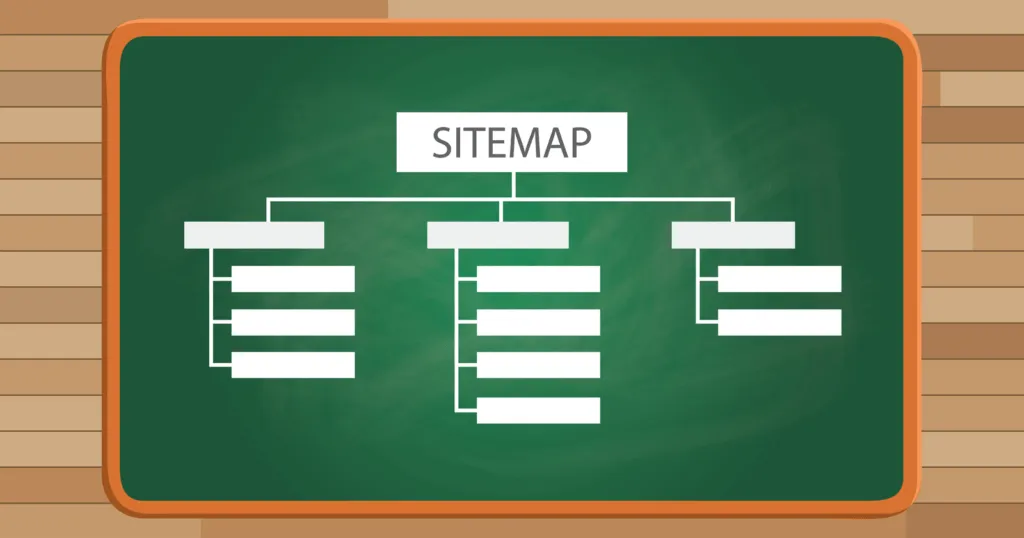
When running SEO optimization and website re-design, it is crucial to have an updated website sitemap. A sitemap is an text file which provides a hierarchy of all site static pages and resources in such a way that they can be read and consumed by search engine crawler bots. This article provides guidance on how to generate a sitemap and submit to search engines for SEO. Sitemaps can support the following formats:
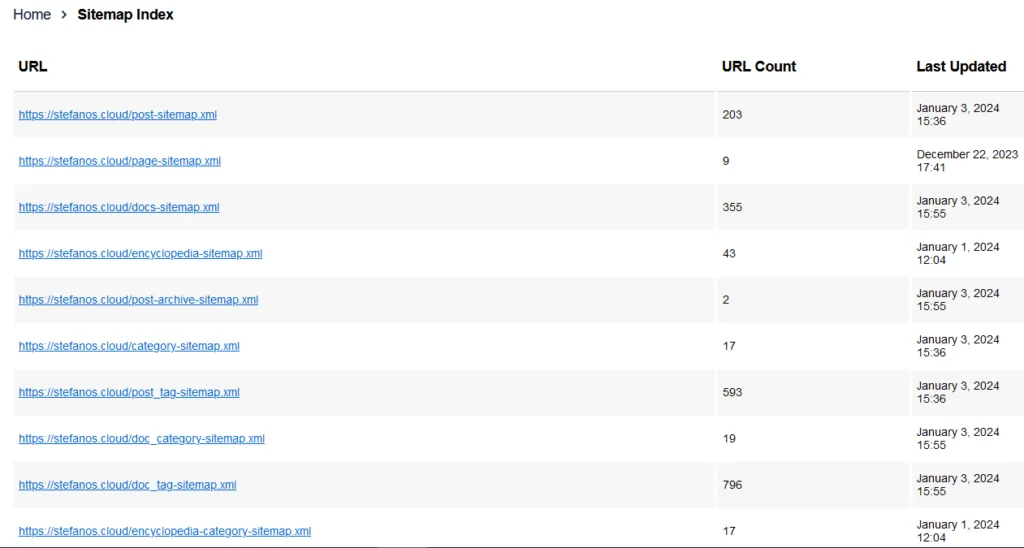
For example, the sitemap of my blog is available at https://docs.cloudschool.ai/sitemap.xml.
Solution
Section titled “Solution”The following solutions are available for automatically creating a website sitemap:
Ensure that you submit your sitemap to all major search engines including the following:
Refer to the following articles on how to generate and submit your sitemap to search engines:
-
Google - https://developers.google.com/search/docs/advanced/sitemaps/build-sitemap
-
Bing - https://www.bing.com/webmasters/help/sitemaps-3b5cf6ed
-
Yandex - https://aioseo.com/docs/submitting-a-sitemap-to-yandex/
-
Baidu - Coming soon
-
Qmamu - Coming soon
-
Yahoo - Coming soon
-
Duckduckgo - Coming soon
-
Ask.com - Coming soon
4. TRACE-AI Execution Workflow
Section titled “4. TRACE-AI Execution Workflow”- Triage: Review monitoring dashboards or error metrics for initial anomaly spikes or timeout signatures.
- Record Evidence: Export service diagnostic logs, event viewers, or failure traces.
- Analyze: Correlate error signatures against known infrastructure or configuration limits.
- Correlate: Match active incident timeline against recent deployments or scale events.
- Execute & Verify: Apply corrective remediation steps and verify telemetry baseline recovery.
5. Vendor Documentation & Validation Guardrails
Section titled “5. Vendor Documentation & Validation Guardrails”- Authority Reference: Cross-reference configuration changes against official vendor documentation.
- Validation Gate: Require staging environment testing and Human-in-the-Loop SME approval before production changes.